Imagine this: You’re cruising down Bell Road on a blistering Sun City afternoon, the AC blasting, when you hear a sound you shouldn’t—a sputter, a grind, or worse, sudden silence. An unexpected breakdown is more than just an inconvenience; in the Arizona heat, it can be a serious safety concern. Many drivers wait for a problem to appear before heading to the shop, but what if you could sidestep those stressful roadside situations altogether?
The secret lies in proactive care, not reactive repairs. At Pete Nelson Automotive, we believe that understanding your vehicle is the first step toward building a long-lasting, reliable relationship with it. These preventive maintenance best practices are designed to empower you with the knowledge to manage your vehicle’s health effectively, saving you money and keeping you safe on the road.
This guide will walk you through the top strategies our ASE-certified technicians use daily to keep cars, trucks, and SUVs running smoothly for our neighbors in Sun City, AZ. From creating a maintenance plan to understanding modern diagnostic tools, these tips will help you avoid headaches and provide true peace of mind.
1. Master Your Vehicle’s Maintenance Schedule
Think of your car’s owner’s manual as its personalized health plan. This isn’t just a collection of suggestions; it’s a carefully researched timeline from the engineers who designed and built your vehicle. Following this schedule is one of the most fundamental preventive maintenance best practices you can adopt.
This schedule outlines precisely when to perform critical services, ranging from simple oil changes and tire rotations to more complex tasks like timing belt replacements and transmission fluid flushes. Here in Sun City, where extreme heat and dusty conditions put extra stress on engine oil, belts, and filters, adhering to this schedule is non-negotiable. It serves as the foundational roadmap for all other maintenance, ensuring your car gets the attention it needs before minor issues become major, expensive failures.
Actionable Advice:
Translating the manual into a real-world plan is simple. You can create a digital calendar reminder or a physical checklist. For example, if your manual recommends a coolant flush every 30,000 miles, set a reminder based on your current mileage and average driving habits.
Expert Insight: Your owner’s manual often lists two schedules: one for “normal” driving and one for “severe” conditions. Given Arizona’s high temperatures and frequent stop-and-go traffic, most local drivers should follow the “severe” schedule for optimal vehicle health.
Neglecting this plan is like ignoring a doctor’s advice; the consequences will eventually catch up. The benefits of keeping up with scheduled maintenance include improved reliability, enhanced safety, and higher resale value. At Pete Nelson Automotive, we help you interpret your vehicle’s factory schedule and tailor it to the unique demands of Arizona driving, ensuring your car runs smoothly for years to come.
2. Implement Condition Monitoring Systems
Think of condition monitoring as giving your vehicle a high-tech nervous system. This is a technology-driven practice where sensors, onboard computers, and diagnostic tools track your car’s health in real-time. This approach enables the early detection of potential failures by continuously monitoring key performance metrics like engine temperature, fluid pressure, vibration, and electrical system voltage. The data is analyzed to predict maintenance needs before a component fails on a hot Sun City afternoon.
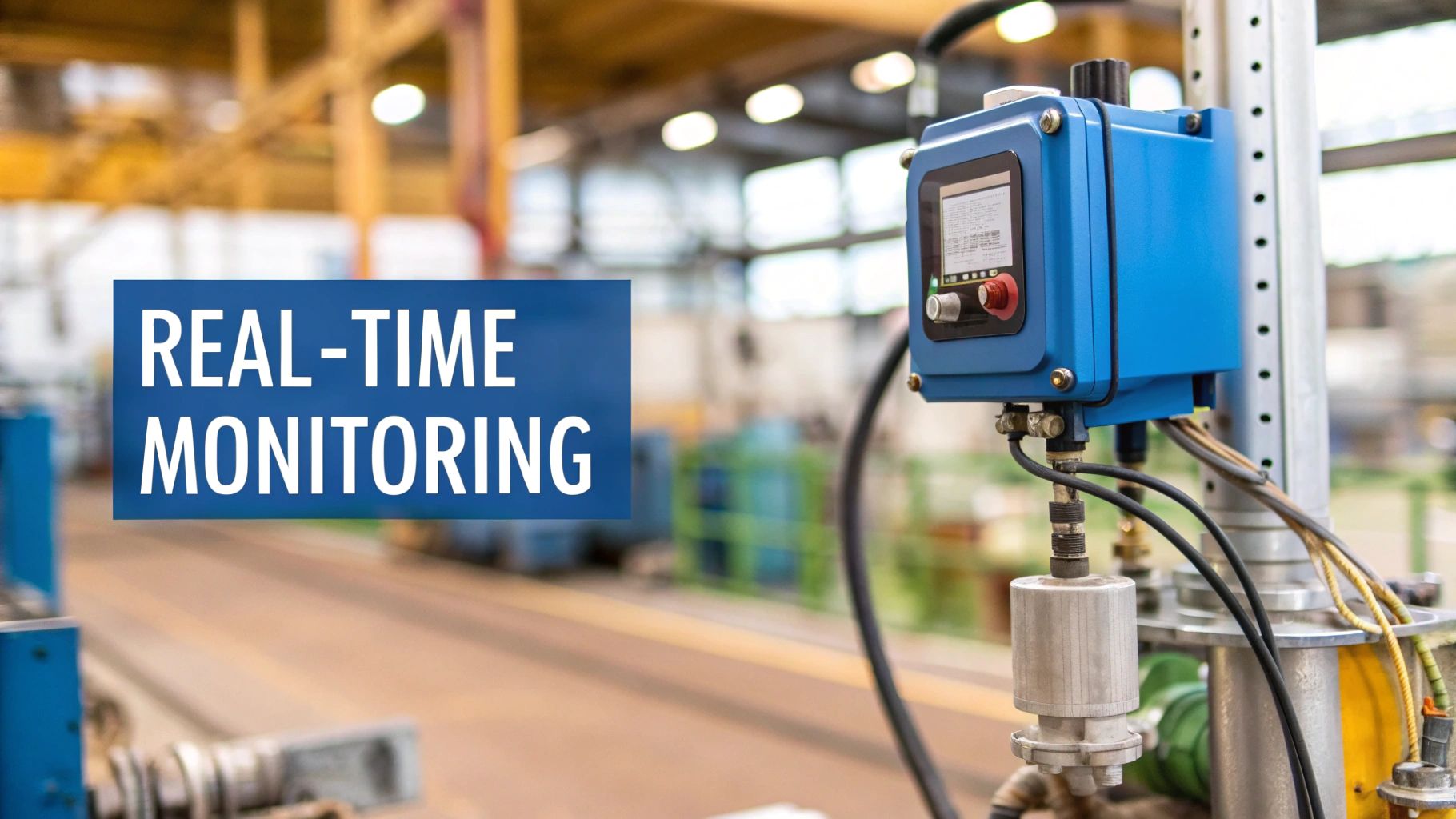
While this sounds like something from an industrial plant, modern vehicles are packed with sensors that do just this. Your car’s check engine light is the most basic form of condition monitoring. Adopting this as one of your core preventive maintenance best practices means paying attention to these warnings and using advanced diagnostics to interpret the data your car is already providing. This proactive strategy moves beyond a mileage-based schedule to one based on the actual condition of your vehicle’s components.
Actionable Advice:
Leveraging your vehicle’s built-in systems is easier than you think. When a warning light appears, don’t ignore it. Instead of guessing, treat it as an alert from a sophisticated monitoring system that requires professional interpretation. A professional diagnostic scan can translate a generic warning code into a specific, actionable maintenance task, like replacing a failing oxygen sensor before it damages your catalytic converter.
Expert Insight: Many drivers think the check engine light is only for major emergencies, but it often signals subtle issues first. Addressing these early alerts about your vehicle’s condition can prevent a minor sensor issue from cascading into a costly engine or transmission repair down the road.
Regularly using professional diagnostic tools is the key to this practice. It allows us to establish a performance baseline for your specific vehicle and spot deviations that indicate developing problems. At Pete Nelson Automotive, we utilize advanced computer diagnostics to tap into your car’s monitoring systems, giving you a clear picture of its health and helping you stay ahead of unexpected breakdowns. Learn more about how computer diagnostics can save you money and keep your vehicle reliable on Arizona roads.
3. Establish a Routine Maintenance Checklist
Beyond simply knowing your vehicle’s factory timeline, a proactive approach involves establishing a systematic, time-based schedule for all preventive care. This isn’t just for major services; it’s about creating a routine for the smaller, consistent checks that keep your vehicle in prime condition. This is one of the most effective preventive maintenance best practices because it transforms reactive repairs into a planned, manageable process.
This system ensures that routine but vital tasks are never overlooked. Think of it as a calendar for your car’s health. Here in Sun City, where the intense sun degrades rubber and high temperatures strain electrical systems, a structured schedule helps you catch component degradation long before it leads to a breakdown.
Actionable Advice:
Creating your own preventive maintenance checklist is straightforward and highly effective. Use a calendar app or a simple notebook to track these tasks:
- Monthly: Check tire pressure, inspect fluid levels (oil, coolant, windshield washer), and test all exterior lights.
- Quarterly: Inspect wiper blades for cracks, check battery terminals for corrosion, and inspect belts and hoses for wear.
- Annually: Schedule a comprehensive brake inspection, test the battery, and have the alignment checked.
Expert Insight: Your driving habits directly influence your schedule’s frequency. If you frequently drive short distances, your battery and exhaust system may need more frequent checks. Conversely, if you often drive in dusty conditions, your engine and cabin air filters will require inspection more often than the manual suggests.
A well-documented schedule removes guesswork and helps budget for future services. The benefits are clear: enhanced reliability, improved safety, and the peace of mind that comes from knowing your vehicle is properly cared for. Learn more about the 5 benefits of keeping up with scheduled maintenance and how our team can help you build the perfect plan for your car.
4. Keep Detailed Service Records
Think of your vehicle’s service history as its comprehensive medical chart. Maintaining accurate and detailed records isn’t just about keeping a neat glove box; it’s a critical component of a robust maintenance strategy. Adopting this as one of your core preventive maintenance best practices empowers you to understand your car’s needs and prove its care history.
These records serve as the definitive log of your vehicle’s life. They detail everything from routine oil changes in Sun City to major component replacements. This documented history helps technicians at Pete Nelson Automotive quickly diagnose new issues, avoid redundant work, and spot potential failure patterns before they escalate. For you, it provides clear evidence of diligent ownership, which is essential for warranty claims and significantly boosts your car’s resale value.

Actionable Advice:
Keeping detailed records is simpler than it sounds. Start a dedicated folder or digital file for all service invoices, parts receipts, and inspection reports. When you receive an invoice, ensure it clearly lists the date, vehicle mileage, and a detailed breakdown of parts and labor performed. This creates a chronological timeline of your vehicle’s care.
Expert Insight: A well-maintained digital log is a powerful tool when you sell your vehicle. It provides verifiable proof of diligent care, which can significantly increase its resale value. It shows a prospective buyer that you were a proactive and responsible owner.
This system works hand-in-hand with professional diagnostics. While a service log tracks the what and when of your service history, advanced tools tell us why a service is needed. You can learn more by reading about our car computer diagnostics process. At Pete Nelson Automotive, we keep detailed digital records for all our customers, acting as your partner in building a comprehensive maintenance history.
5. Trust ASE-Certified Technicians
The most sophisticated diagnostic tools and premium parts are only as effective as the technician using them. Just as your vehicle evolves with new technology, so must the expertise of the professionals who service it. Trusting trained professionals is a critical, yet often overlooked, component of preventive maintenance best practices.
This commitment to education ensures that the technicians working on your vehicle are equipped with the latest knowledge to handle everything from advanced driver-assistance systems (ADAS) to complex hybrid and EV powertrains. This deeper knowledge translates into more accurate diagnoses, higher quality repairs, and the foresight to prevent future issues, saving you time and money. For example, a trained expert knows how addressing battery corrosion effectively can significantly extend its lifespan.
Why This Matters:
At Pete Nelson Automotive, we see our team’s expertise as our greatest asset. Our technicians are encouraged to pursue and maintain industry-recognized certifications, like those from the National Institute for Automotive Service Excellence (ASE). This ensures they are proficient in specific areas, from engine performance to electrical systems.
Expert Insight: A well-trained technician doesn’t just fix what’s broken; they proactively identify wear patterns and potential failure points that an untrained eye might miss. This proactive approach, rooted in deep technical understanding, is the hallmark of true preventive care.
6. Perform Root Cause Analysis on Failures
When a part fails on your vehicle, the immediate fix often seems straightforward: replace the broken component. However, simply addressing the symptom without understanding the underlying cause can lead to a frustrating cycle of repeat repairs. This is where performing a root cause analysis (RCA), a cornerstone of preventive maintenance best practices, becomes essential. Instead of just fixing what broke, this systematic investigation uncovers why it broke in the first place.
Here in Sun City, where intense heat can accelerate the degradation of rubber and plastic components, identifying the root cause is key to preventing a chain reaction of failures down the road. It transforms a simple repair into a long-term reliability strategy.
Actionable Advice:
Applying this method starts with asking “why” repeatedly until the fundamental problem is revealed. If your brake light is on, you might find a fluid leak. But why is it leaking? Perhaps a hose became brittle and cracked. Why did it crack? Maybe a loose mounting bracket allowed excessive vibration. Addressing the bracket and hose prevents a future leak, whereas only replacing the fluid is a temporary fix.
Expert Insight: At Pete Nelson Automotive, we don’t just replace parts; we investigate failures. When we see a recurring issue, like repeated battery failure, we use diagnostic tools to check the entire charging system, including the alternator output and for any parasitic electrical draws. This ensures the fix is permanent.
By digging deeper, you move from reactive repairs to proactive prevention. This disciplined approach not only saves you money on repeated labor and parts but also enhances your vehicle’s safety and reliability, giving you peace of mind on the road.
Frequently Asked Questions (FAQ)
1. How often should I get an oil change in Sun City, AZ?
For most modern cars, the 3,000-mile oil change is outdated. However, due to Arizona’s extreme heat and dusty conditions, it’s best to follow your vehicle manufacturer’s “severe conditions” schedule, which is typically every 5,000 to 7,500 miles. We can provide a specific recommendation based on your car and driving habits.
2. What are the signs that my car battery is failing?
Common signs include a slow engine crank when you start the car, dimming headlights, a lit battery warning light on your dashboard, and visible corrosion on the battery terminals. In Arizona’s heat, batteries often last only 2-3 years, so regular testing is a smart preventive measure.
3. Why is tire rotation so important for my car?
Rotating your tires regularly—usually every 5,000 to 8,000 miles—ensures they wear down evenly. This extends the life of your tires, improves gas mileage, and provides better handling and safety. It’s a simple, inexpensive service that protects a major investment.
4. What does the “Check Engine” light really mean?
The check engine light can indicate anything from a loose gas cap to a serious engine misfire. While it’s not always an emergency, you should never ignore it. A professional diagnostic scan at a shop like ours can read the error code and pinpoint the exact problem before it gets worse.
Your Partner in Proactive Car Care in Sun City
Moving from reactive repairs to a proactive maintenance mindset is the single most powerful shift any vehicle owner can make. By following these preventive maintenance best practices, you are taking control of your vehicle’s health, saving money on costly repairs, and ensuring your car is safe and reliable for your life in Sun City and the West Valley.
The journey begins with mastering your vehicle’s maintenance schedule and keeping detailed records. When you combine this with routine personal checks and professional inspections from a trusted auto repair shop in Sun City, AZ, you create a powerful defense against unexpected breakdowns.
Ultimately, mastering these strategies empowers you. You’ll save significantly on long-term ownership costs, enhance your vehicle’s resale value, and, most importantly, gain the peace of mind that comes from knowing your car is dependable.
At Pete Nelson Automotive, we are dedicated to being your trusted partner in implementing these preventive maintenance best practices. Our team of expert technicians is here to provide the professional service and honest advice you need.
Call 623-974-4723 or visit petenelsonautorepair.com to schedule your appointment today.
Pete Nelson Automotive
This Offer Will Expire 12-31-2026
Pete Nelson Automotive is pleased to offer you
"Get Ready for the Holidays"
A $215.00 Value for Only $159.95 (+tax)
Lube, Oil, & Filter Change, Up to 5 quarts of Engine oil
Inspect and top off all fluid levels, Includes up to 5 Quarts of 5w30 synthetic blend oil, additional charge for synthetic oil.
Travel Evaluation
Set Air Pressures and Tire Rotation if needed.
Battery, Alternator and Starter Electrical Test
Load test battery, Alternator output and Starting amps.
Full Brake Evaluation
Includes check brake system on four wheels, checking and testing brake fluid condition.
So Call 623-974-4723 today and make an appointment for this exclusive Special!
*Most Cars, Vans, Motor homes, 4×4’s, Diesels, and some foreign cars may be higher. You must bring this letter at time of service and allow 2 hours to complete.



