
Is your car’s temperature gauge acting strange on those hot drives through Sun City, AZ? Or maybe you’ve noticed a mysterious puddle in your driveway? Navigating the intense Arizona heat means your vehicle’s cooling system is always working overtime. The water pump is the heart of this system, circulating coolant to prevent your engine from overheating. When it starts to fail, it can lead to catastrophic engine damage and costly repairs—a situation no driver wants to face. Recognizing the early signs of water pump failure is your best defense against being stranded on a scorching day.
This guide will walk you through the most common symptoms of a failing water pump. We’ll cover everything from subtle noises and minor leaks to more obvious signs like an overheating engine. Our goal is to provide clear, actionable insights that help you understand what to look for and when it’s time to seek professional help from a trusted local expert for auto repair in Sun City AZ. By learning to spot these red flags, you can take proactive steps to protect your engine and drive with confidence.
1. Coolant Leaks
One of the most straightforward signs of water pump failure is a coolant leak. If you notice a puddle of brightly colored fluid under the front-center of your vehicle after it has been parked, your water pump could be the culprit.
- What to look for: Coolant is typically green, pink, or orange and has a distinctively sweet smell.
- Why it happens: The water pump is sealed with gaskets to keep coolant circulating where it belongs. Over time, especially in our Arizona heat, these seals can degrade and crack. When this happens, coolant seeps out, often from the pump’s “weep hole,” a small opening designed to let coolant escape when an internal seal fails. This is a clear warning that the pump is compromised.
A small leak can quickly lead to low coolant levels, which is a fast track to engine overheating. It’s far less expensive to replace a water pump than to repair a warped cylinder head or a seized engine.
What to Do if You Spot a Leak
If you suspect a coolant leak, don’t just top off the reservoir and hope for the best. Take these actionable steps:
- Check After Parking: Let your car sit for at least 30 minutes, then check the pavement underneath for fresh drips.
- Monitor Your Coolant Level: Make it a habit to check the coolant reservoir weekly. A consistently dropping level points to a leak.
- Seek Professional Inspection: Bring your vehicle to a trusted shop like Pete Nelson Automotive. A cooling system pressure test will safely and accurately pinpoint the source of the leak, confirming if the water pump is to blame.
2. Engine Overheating
Perhaps the most alarming and dangerous of all signs of water pump failure is an overheating engine. The water pump’s core job is to circulate coolant, pulling heat away from the engine. When the pump fails, this circulation stops, and engine temperatures can skyrocket in minutes, especially in the Arizona sun.
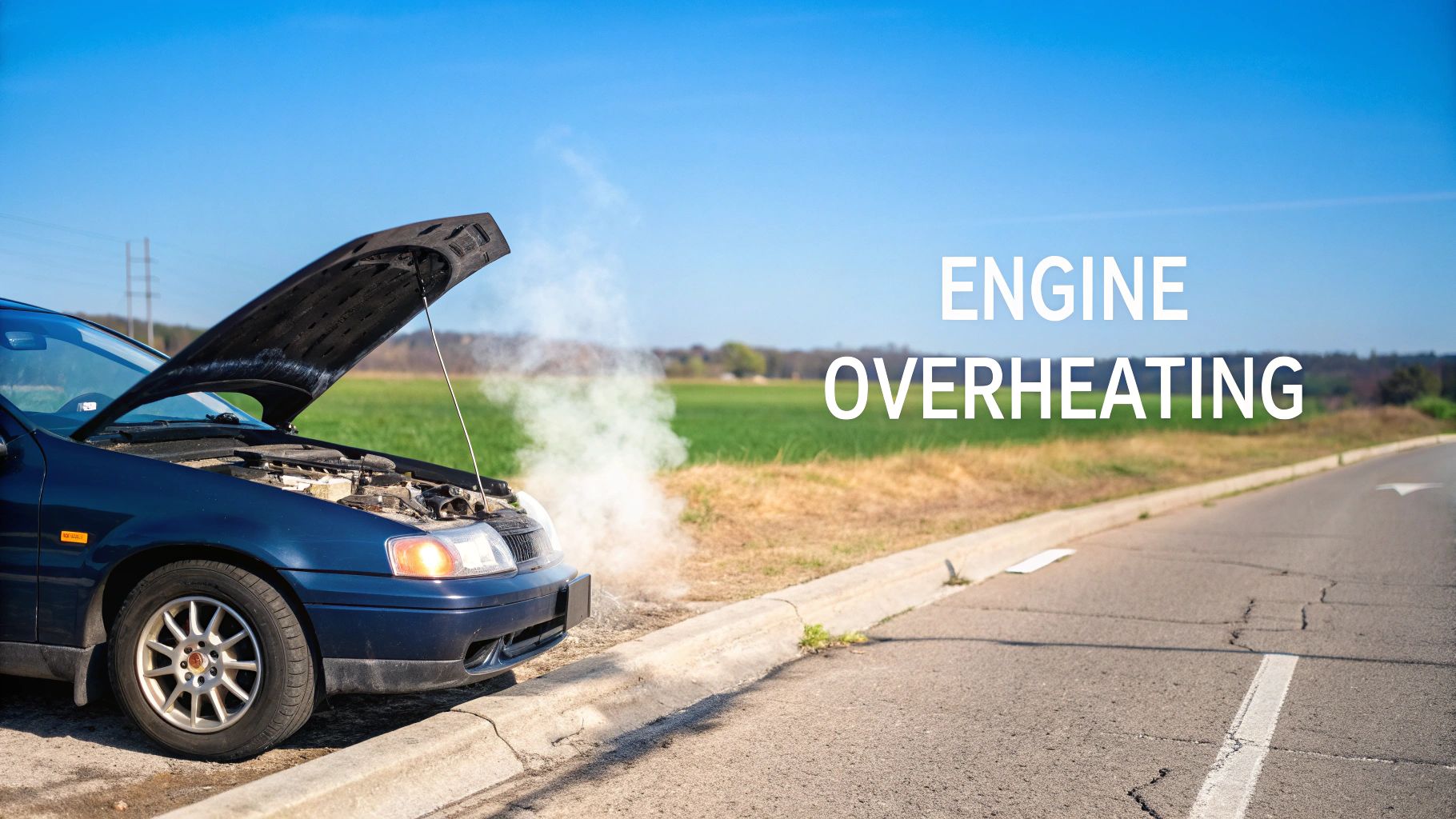
A temperature gauge needle creeping into the red zone is a critical warning. This happens because a failed pump can no longer push coolant through the engine block, cylinder head, and radiator. The heat generated by combustion has nowhere to go. An overheating engine is an emergency. Continuing to drive can cause irreversible damage like a cracked engine block, turning a manageable repair into a complete engine replacement.
What to Do if Your Engine Overheats
If you see the temperature gauge rising, act quickly and safely:
- Pull Over Immediately: Find a safe place to stop your vehicle and turn off the engine.
- Turn on the Heater: While looking for a safe spot, turn off the A/C and turn on the heater to its highest setting. This helps pull some heat away from the engine.
- Never Open the Radiator Cap: The system is highly pressurized when hot. Opening the cap can cause scalding coolant to erupt.
- Get a Professional Diagnosis: An overheating engine can have several causes. Schedule an inspection to determine if a failing water pump is the root cause. Learn more about the common causes of an overheating car.
3. Grinding or Squealing Noises from the Engine
An audible warning coming from your engine bay is a clear sign something is wrong. If you hear a high-pitched squealing or a low, rhythmic grinding sound from the front of the engine, the water pump’s internal components are likely in distress.
- Grinding or rumbling: This often points to a worn-out bearing inside the water pump. As the bearing fails, it can no longer spin smoothly, creating friction and a distinct metallic sound.
- Squealing: This usually indicates a loose or worn serpentine belt slipping over the water pump pulley, which compromises coolant circulation.
A seized water pump bearing can cause the serpentine belt to snap, which immediately disables vital components like the alternator and power steering. Prompt diagnosis is key.
What to Do if You Hear Engine Noises
- Note the Details: Pay attention to when the noise occurs—at startup, during acceleration, or is it constant? This helps technicians diagnose the problem faster.
- Check the Belt: While the engine is off, visually inspect the serpentine belt for cracks, fraying, or a glazed appearance.
- Seek Professional Diagnosis: Don’t dismiss strange engine sounds. Bring your vehicle to Pete Nelson Automotive for a professional inspection to find the source. Learn more about how we diagnose engine repair warning signs and solutions.
4. Reduced Coolant Circulation and Flow
Another subtle but critical sign of water pump failure is poor coolant circulation. The heart of the water pump is an impeller that pushes coolant through the system. If this impeller becomes corroded or damaged, it can’t move fluid effectively.
This means the engine isn’t cooled evenly, leading to hot spots that can cause serious internal damage long before your temperature gauge spikes. You might notice your heater isn’t blowing hot air or the temperature gauge fluctuates erratically. Reduced coolant flow is a silent engine killer, potentially leading to warped cylinder heads or blown head gaskets.
What to Do if You Suspect Poor Circulation
- Check Your Coolant: If the coolant in the reservoir appears dark, rusty, or sludgy, it’s a sign of internal corrosion that could be damaging the water pump.
- Flush the System: Adhere to your vehicle manufacturer’s recommended service interval, typically flushing the cooling system every 30,000 miles or three years.
- Request a Flow Test: At Pete Nelson Automotive, we can perform a diagnostic flow test to measure how effectively your water pump is circulating coolant.
5. White or Milky Coolant Appearance
One of the more alarming signs of water pump failure is a change in your coolant’s appearance. Healthy antifreeze should be translucent and brightly colored. If you find a milky, foamy, or sludgy substance in the coolant reservoir, it’s a serious red flag.
This contamination occurs when a severely failed internal seal allows engine oil to mix with the coolant. This compromises both the engine’s lubrication and cooling systems, putting your engine at immediate risk of catastrophic damage. This issue can sometimes be mistaken for a blown head gasket, so a professional diagnosis is essential. Learn more about how a header gasket leak can affect your engine.
What to Do if You See Milky Coolant
- Do Not Start the Engine: Avoid the temptation to “see if it still runs.” Circulating the contaminated fluid will only spread the damage.
- Document the Issue: Safely take a photo of the coolant in the reservoir to help our technicians.
- Arrange for a Tow: The safest action is to have your vehicle towed to a professional repair shop. Contact Pete Nelson Automotive, and we can help you arrange for safe transport to our facility in Sun City.
6. Visible Rust or Corrosion on the Pump Housing
One of the more subtle signs of water pump failure is visible rust or corrosion on the pump’s exterior. Seeing rust, flaking, or pitting on the pump’s surface is a serious red flag, as this external decay often indicates internal deterioration.
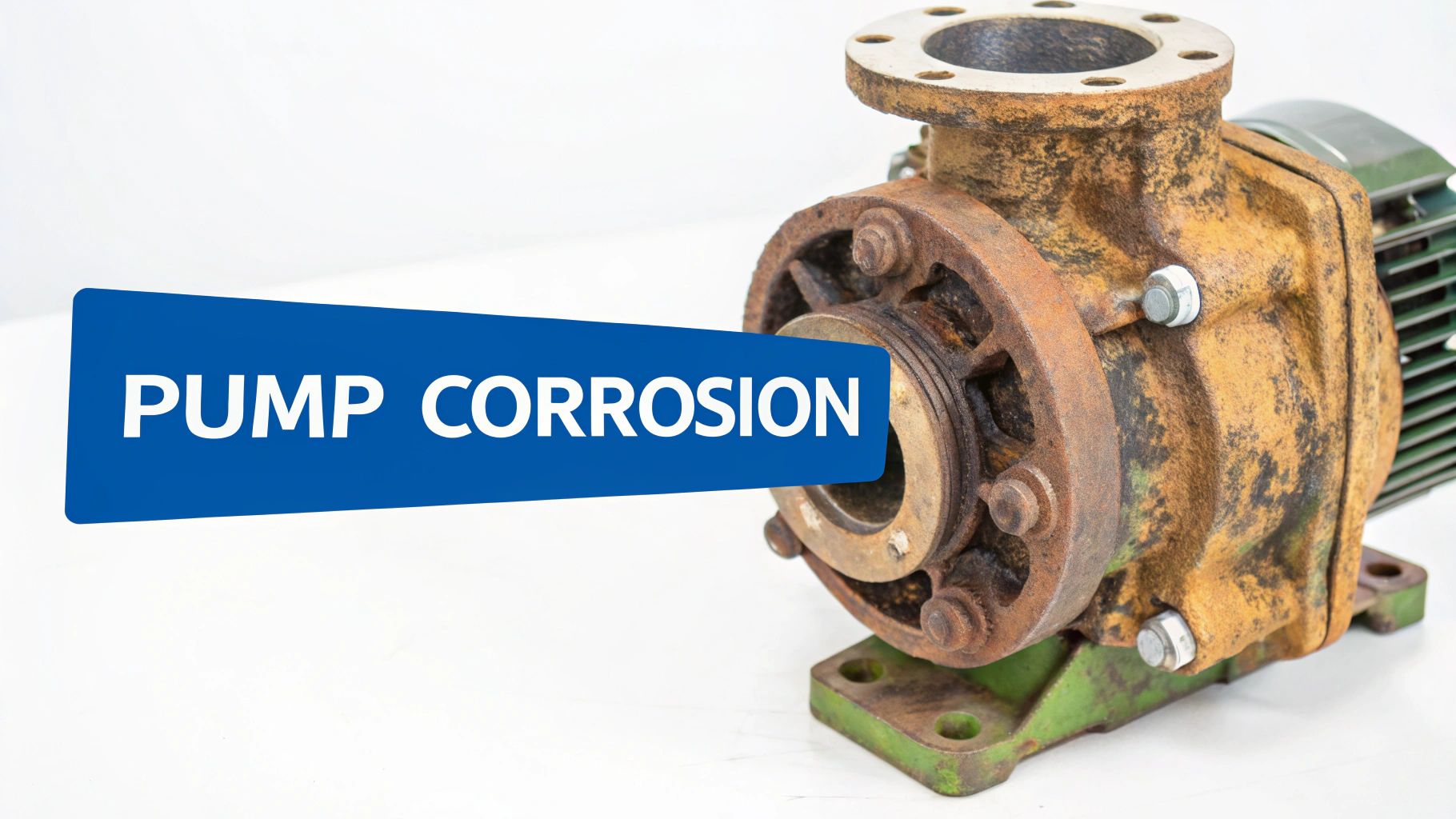
This corrosion is often caused by using the wrong type of coolant or old coolant that has lost its anti-corrosive properties. As the pump corrodes from the inside out, its ability to circulate coolant effectively is reduced, leading to intermittent overheating. The rust you see on the outside is often just the tip of the iceberg.
What to Do if You Spot Corrosion
- Inspect During Maintenance: When checking your oil, shine a light on the water pump housing to look for signs of rust or chalky deposits.
- Use Quality Coolant: Always use the manufacturer-specified coolant for your vehicle.
- Seek Professional Inspection: If you see significant corrosion, bring your vehicle to Pete Nelson Automotive. We can assess the damage and determine if a proactive water pump replacement is needed.
7. Fluctuating Temperature Gauge Readings
A temperature gauge that bounces around erratically is another critical sign of water pump failure. This symptom occurs when the pump’s impeller is worn, preventing it from circulating coolant consistently. The result is an unstable cooling system where the engine temperature spikes and drops unpredictably.
This erratic behavior is caused by inconsistent coolant flow. A failing pump might circulate coolant effectively for a few moments, causing the temperature to drop, only to fail again, allowing the temperature to spike. These fluctuations can cause metal components to expand and contract unevenly, increasing the risk of a cracked cylinder head or blown head gasket.
What to Do if Your Temperature Gauge is Unstable
- Note the Conditions: Keep a log of when the fluctuations occur—at idle, at high speeds, or when the A/C is running?
- Check Coolant First: Ensure your coolant reservoir is at the proper level. Low coolant can also cause temperature spikes.
- Seek Professional Diagnostics: The most reliable way to confirm the issue is with a professional inspection. A technician can use a diagnostic scanner to read live sensor data and pinpoint the root cause.
8. Wet or Damp Engine Compartment with No Visible Leaks
Sometimes, a slow coolant weep from a failing pump can create a chronically damp environment in the engine bay without ever forming a noticeable leak on the ground. You might pop the hood and notice moisture or a slight, sweet smell of antifreeze but find it impossible to pinpoint the source.
This happens when the pump’s seals are just beginning to fail, allowing a minuscule amount of coolant to escape. This coolant often evaporates due to engine heat before it can drip. This “invisible” leak is dangerous because it often goes unnoticed, but the slow loss of coolant can still lead to overheating, especially during our intense Sun City summers.
What to Do if You Suspect a Hidden Leak
- Use Your Nose: The sweet, distinct smell of antifreeze is often the first and most reliable clue of a coolant leak.
- Clean the Engine Bay: A clean engine makes it much easier to spot new moisture trails.
- Seek Professional Leak Detection: At Pete Nelson Automotive, we can use a special UV dye in your coolant system and a blacklight to illuminate the exact source of the leak, no matter how small. Learn more about diagnosing vehicle fluid leaks on petenelsonautorepair.com.
Frequently Asked Questions (FAQ)
1. How long does a water pump typically last?
A water pump can last anywhere from 60,000 to 100,000 miles, but this can vary based on your vehicle, driving conditions, and maintenance. In hotter climates like Sun City, AZ, cooling system components may wear out sooner due to the increased workload.
2. Can I drive my car with a failing water pump?
It is highly discouraged. Driving with a failing water pump can quickly lead to engine overheating, which can cause severe and expensive damage, such as a warped cylinder head or a seized engine. If you suspect a problem, it’s best to have it inspected immediately.
3. What is the average cost to replace a water pump in Sun City, AZ?
The cost can vary significantly depending on your vehicle’s make and model and the labor involved. Some water pumps are easily accessible, while others require removing the timing belt, which increases the repair time. For an accurate quote, it’s best to get a professional diagnosis.
4. Is a coolant flush necessary when replacing a water pump?
Yes, it is highly recommended. A coolant flush removes old fluid, rust, and debris from the cooling system, ensuring the new water pump operates in a clean environment. This helps prolong the life of the new pump and other cooling system components.
Final Thoughts
The water pump plays an enormous role in the health of your engine, particularly under the demanding heat of a Sun City summer. Recognizing the early signs of water pump failure isn’t just about avoiding a breakdown; it’s about saving money on more extensive repairs and ensuring your vehicle remains reliable.
From a puddle of coolant on your driveway to a fluctuating temperature gauge or strange noises, each sign is a cry for help from your cooling system. Ignoring these indicators is a gamble against your engine’s health.
Don’t wait for a small warning sign to become a major roadside emergency. If you’ve noticed any of these symptoms or simply want the peace of mind that comes with a professional inspection, our team at Pete Nelson Automotive is here to help. We provide the honest, expert service you deserve for all your auto repair needs in Sun City, AZ.
Call 623-974-4723 or visit petenelsonautorepair.com to schedule your appointment today.
Pete Nelson Automotive
This Offer Will Expire 12-31-2026
Pete Nelson Automotive is pleased to offer you
"Get Ready for the Holidays"
A $215.00 Value for Only $159.95 (+tax)
Lube, Oil, & Filter Change, Up to 5 quarts of Engine oil
Inspect and top off all fluid levels, Includes up to 5 Quarts of 5w30 synthetic blend oil, additional charge for synthetic oil.
Travel Evaluation
Set Air Pressures and Tire Rotation if needed.
Battery, Alternator and Starter Electrical Test
Load test battery, Alternator output and Starting amps.
Full Brake Evaluation
Includes check brake system on four wheels, checking and testing brake fluid condition.
So Call 623-974-4723 today and make an appointment for this exclusive Special!
*Most Cars, Vans, Motor homes, 4×4’s, Diesels, and some foreign cars may be higher. You must bring this letter at time of service and allow 2 hours to complete.



