
Car Shaking Engine Light on: What It Means and How to Fix It
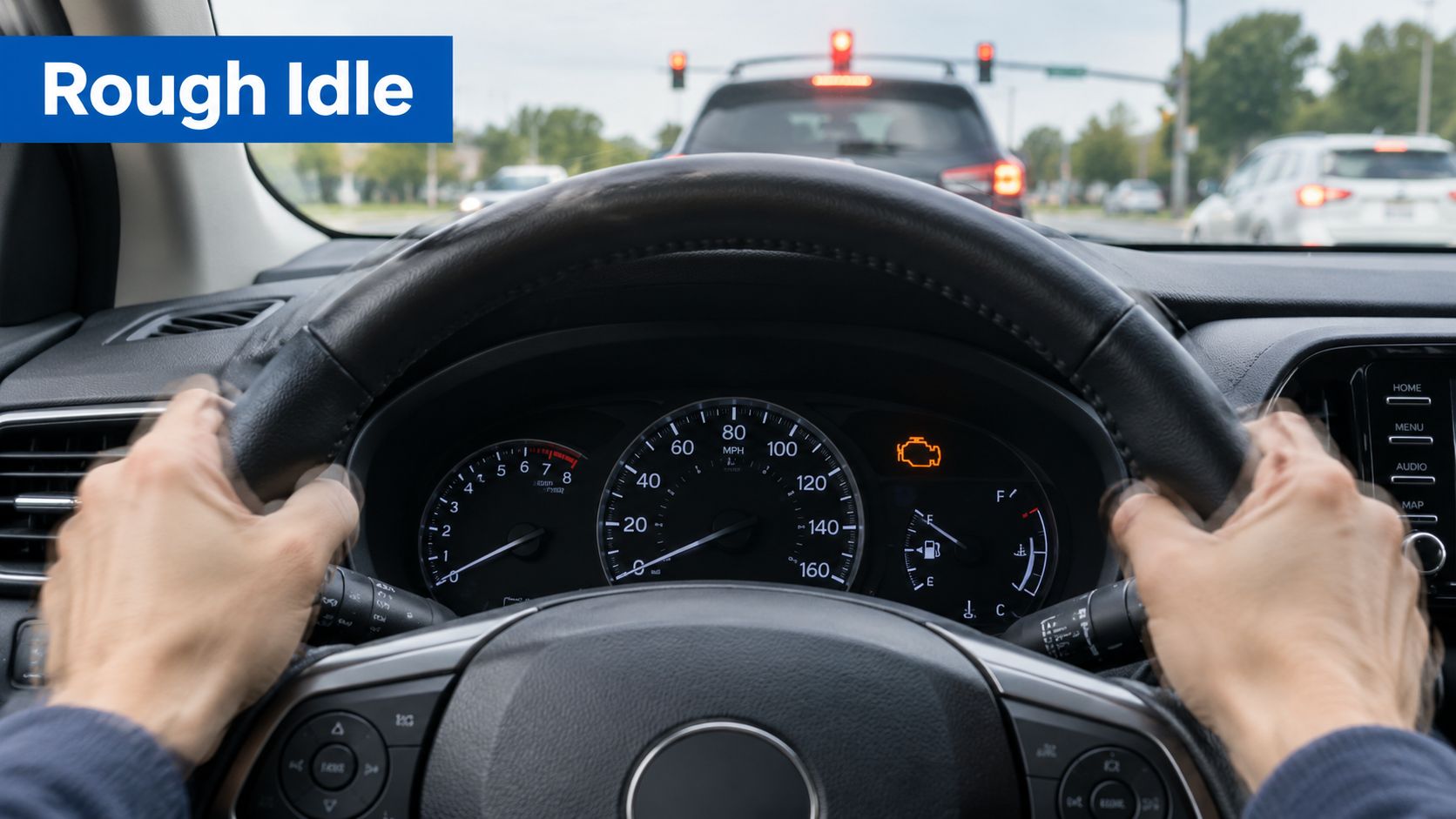
You’re stopped at a Bell Road traffic light in Sun City, and the steering wheel has started trembling in your hands. The check engine light is glowing, the engine rhythm has a faint stumble, and when the light turns green, the car hesitates before moving. Yesterday, the vehicle seemed fine. Today, the desert heat and midday sun make every vibration feel more alarming.
Is it safe to drive home? Will the repair be minor, or has the engine suffered serious damage? A car shaking with the engine light on most often points to an engine misfire, but the timing of the shake changes the diagnostic path. The guide below will help you separate an urgent warning from a problem you can cautiously take to an auto repair shop, identify what a technician checks first, and know when you should stop driving.
That Awful Moment Your Car Starts Shaking
The sensation can be difficult to ignore. You may feel the vibration through the seat, notice the tachometer rise and fall slightly, or hear the engine lose its smooth rhythm while you’re waiting in traffic. When you press the accelerator, the vehicle may stumble, jerk, or hesitate instead of responding normally.
A shaking car with an illuminated check engine light is most often experiencing a misfire, which means one or more cylinders aren’t firing correctly. Common causes include worn spark plugs, a failed ignition coil, or a clogged fuel injector, as described in this overview of shaking cars with the check engine light on. The engine may continue running, but it isn’t producing power evenly.
Start with safety, not guesses
Before assuming you need spark plugs, pay attention to the warning light and the exact driving condition. A mild shake at idle with a steady light is a different situation from a violent vibration under acceleration with a flashing light.
Practical rule: If the car is losing power, shaking harder as you apply throttle, or producing unusual smells or noises, don’t keep testing it by driving farther.
The safest first move is to reduce the engine’s workload and find a safe place to stop. From there, the light’s behavior and the timing of the vibration give you useful information before any parts are replaced.
Check Engine Light Steady or Flashing
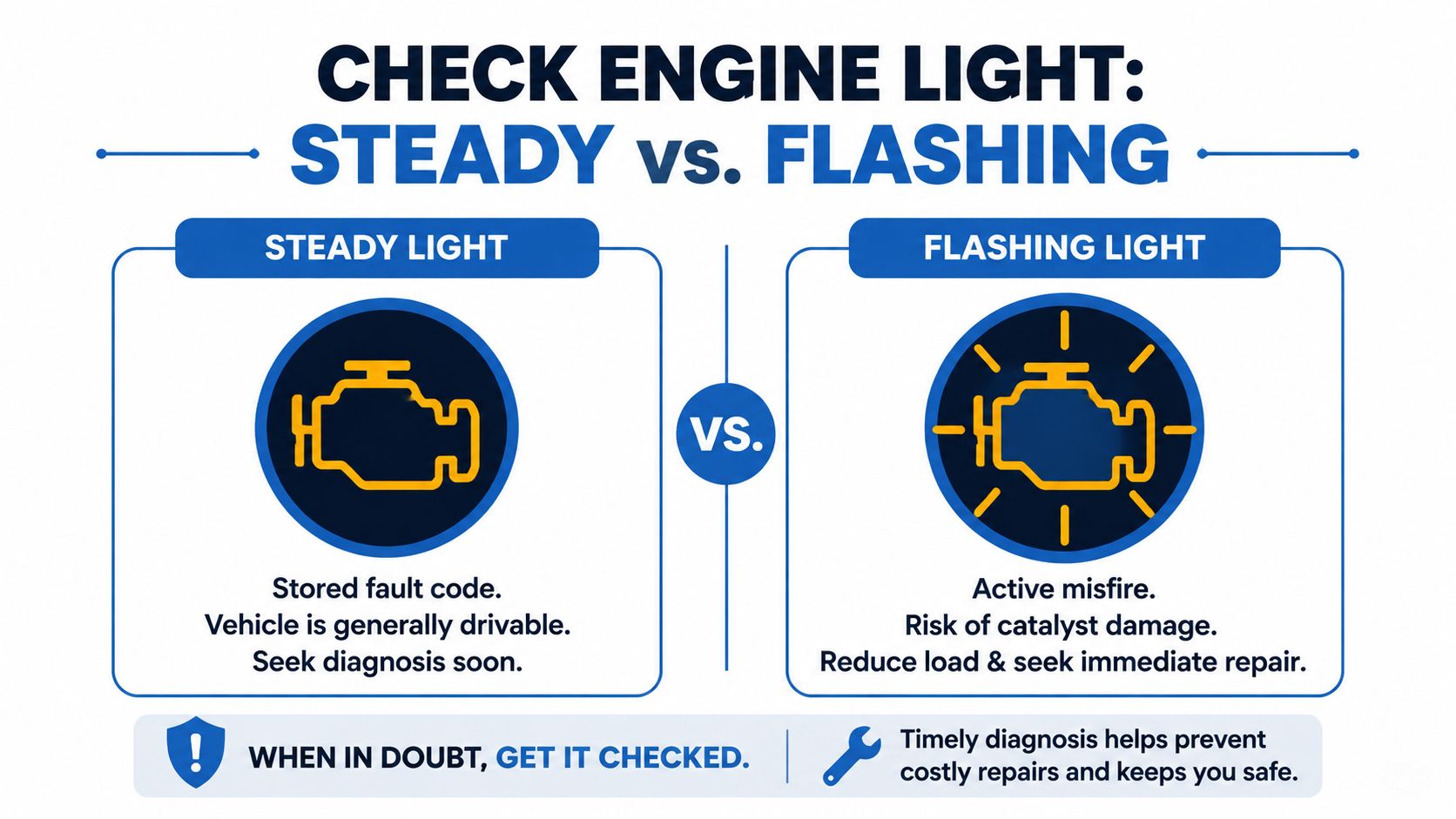
Look at the light before you do anything else. A steady check engine light generally indicates that the vehicle computer has stored a fault, and a car with only a mild shake can often be driven cautiously to a nearby shop. A flashing light is more urgent because it indicates an active, severe misfire that can send unburned fuel into the exhaust and damage the catalytic converter, according to NHTSA recall and misfiring-engine information.
What the light is telling you
- Steady light: Reduce unnecessary driving and arrange a diagnosis soon. Avoid hard acceleration, towing, and long trips until the cause is known.
- Flashing light: Ease off the accelerator, avoid heavy engine load, and pull over as soon as it’s safe. Continuing to drive can turn an ignition or fuel fault into exhaust-system damage.
- Light turns off: Don’t assume the problem is gone. The computer may still hold useful stored or pending information.
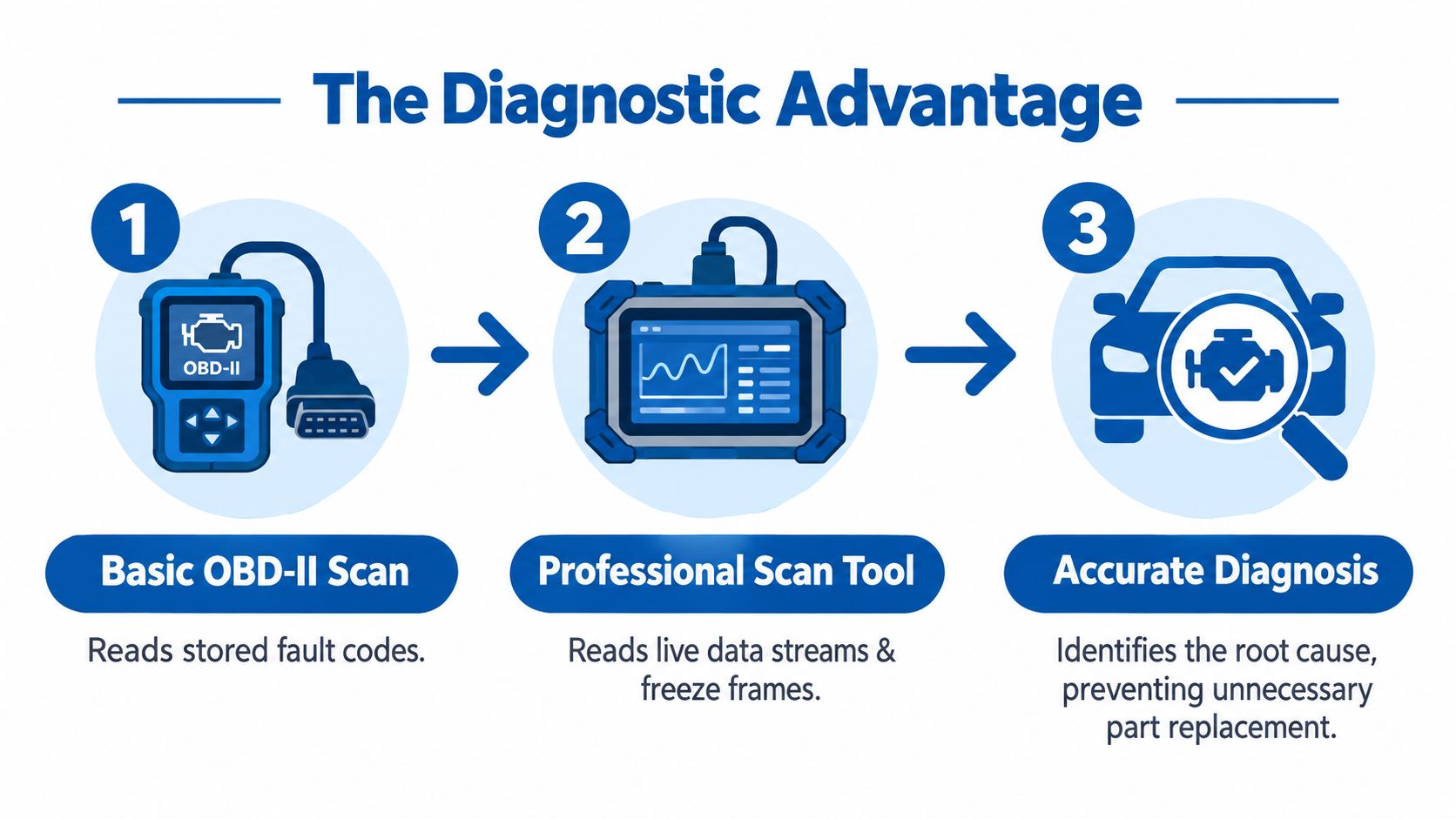
A basic OBD-II scanner can help you retrieve the code. Some inexpensive Bluetooth scanners connect to a phone app, but the code is only a starting point, not a complete diagnosis. Write the code down and don’t clear it, because clearing the code can erase freeze-frame information that helps a technician understand what happened.
The code structure is especially useful for a shaking engine. P0300 identifies a random or multiple-cylinder misfire, while P0301 through P0308 identify misfires in specific cylinders, as explained in this guide to flashing check engine lights and cylinder misfire codes.
For a proper diagnosis in Sun City, a check engine light diagnostic can connect the code to actual engine behavior instead of relying on the code alone.
When the Shake Actually Happens
The most useful question isn’t only, “Why is my car shaking?” It’s when does it shake? A technician can narrow the possibilities much faster when you describe whether the vibration occurs at idle, under load, after refueling, or only while the light is flashing.
Match the symptom to the diagnostic branch
A shake that occurs only at idle may involve a vacuum leak, dirty throttle body, weak spark at low engine speed, or an engine or transmission mount. If the engine smooths out as you raise the RPM, the mount or air-control system deserves attention alongside the ignition system.
Under acceleration or while climbing a hill, the engine is under greater load. Weak ignition coils, a failing spark plug, or restricted fuel delivery may show up more clearly in that situation. A P0300 code can support a misfire diagnosis, but testing still needs to identify whether the ignition, fuel, or mechanical system is responsible.
Shaking immediately after refueling points toward the evaporative-emissions system. A loose fuel cap, a stuck purge valve, or a cracked vapor hose can disturb the air-fuel mixture. Don’t dismiss the timing just because the car was running well before you stopped for fuel.
| Shake Pattern | Top Suspects | Typical Code Range |
|---|---|---|
| At idle | Vacuum leak, dirty throttle body, weak spark, worn mount | P0300 or cylinder-specific misfire codes |
| Under acceleration | Ignition coil, spark plug, injector, fuel delivery fault | P0300 through P0308 |
| Right after refueling | Loose cap, purge valve, EVAP hose, contaminated fuel | EVAP-related codes or misfire codes |
| Only with a flashing light | Severe active misfire and catalyst risk | P0300 through P0308 |
A rough idle and car-jerking inspection can help separate an engine misfire from a mount or air-intake problem. The timing doesn’t prove the failed part, but it tells the technician where to begin.
What the Technician Checks First
A good inspection follows the evidence through ignition, fuel, air, and mechanical condition. The technician first confirms how the engine is behaving, then tests the component most likely responsible. Replacing parts in that order without testing is still guesswork.
Ignition checks
Spark plugs and ignition coils are common starting points because either can leave one cylinder unable to fire correctly. The inspection can include plug condition, coil output, wiring, and whether moving a coil moves the misfire to another cylinder. Repair references estimate spark plug repairs at $100 to $300 and ignition coil repairs at $150 to $300. See this repair-cost guidance for a shaking car and check engine light.
A worn plug may show fouling, oil, fuel, or heavy deposits. Those clues do not identify the failed part by themselves, but they can point the next test in the right direction.
Fuel and air checks
For the fuel system, the technician may measure fuel pressure, check injector operation, and look for an injector that is clogged or leaking. Published estimates place clogged-injector repairs at $200 to $600, although access, vehicle design, and the confirmed failure affect the final repair.
Air leaks can create a lean mixture and an unstable idle. The inspection may cover a torn intake boot, contaminated mass airflow sensor, vacuum leak, or throttle body that needs cleaning. A visual check finds some faults, while a smoke test can expose a hidden vacuum leak.
Mechanical checks
If ignition, fuel, and air tests do not explain the misfire, the technician may inspect engine and transmission mounts, exhaust leaks ahead of the oxygen sensor, and cylinder compression. Low-compression repairs are often estimated at $1,000 or more, according to the same repair-cost reference, because internal engine wear or valve problems may be involved.
| System Checked | Common Failure | Typical Repair Cost |
|---|---|---|
| Ignition | Worn spark plug or failed coil | Spark plugs, $100 to $300, coils, $150 to $300 |
| Fuel | Clogged injector | $200 to $600 |
| Air intake | Vacuum leak or dirty throttle body | Varies by confirmed fault |
| Mechanical | Low compression | $1,000 or more |
Black deposits on a plug add useful context. A technician may examine what black soot on spark plugs can indicate before replacing every plug automatically.
Why a Real Scan Beats Guess-and-Replace
A basic code reader tells you what the computer noticed. A professional scan tool helps show why the computer noticed it. That distinction matters when several parts can create the same shaking symptom.
A shop-level diagnostic can review live fuel-trim data, oxygen-sensor activity, individual-cylinder misfire counters, EVAP readiness, and freeze-frame information captured when the fault occurred. This information can reveal whether the engine is running lean, whether one cylinder is consistently missing, or whether the problem appears only under a specific operating condition.
Data changes the repair decision
For example, fuel-trim data that shows the engine compensating heavily for a lean condition may direct the technician toward a vacuum leak or fuel-delivery issue. Data that stays near normal while one cylinder continues to misfire may push the inspection toward that cylinder’s ignition or mechanical condition. Those patterns help prevent a plug-and-coil guessing game.
A scanner also helps identify problems that a visual inspection can’t confirm. A technician can compare misfire counters, review the engine’s operating temperature, and check whether an EVAP fault is ready for testing. That’s more useful than clearing the light and waiting to see whether it returns.
A code identifies a system or cylinder. Testing identifies the part that failed.
The professional computer diagnostics process is designed to connect stored codes with live operating data. Guess-and-replace repairs can cost far more than a focused diagnostic because the driver may pay for several good parts before the actual fault is found.
When to Stop Driving and Call a Shop
A mild shake at idle with a steady check engine light may allow a careful, short drive to a nearby repair facility. Keep the trip local and gentle. Avoid highway speeds, hard acceleration, and continued commuting until the cause is diagnosed. For a broader warning-sign checklist, learn what are the signs that my vehicle needs immediate attention from an auto repair shop.
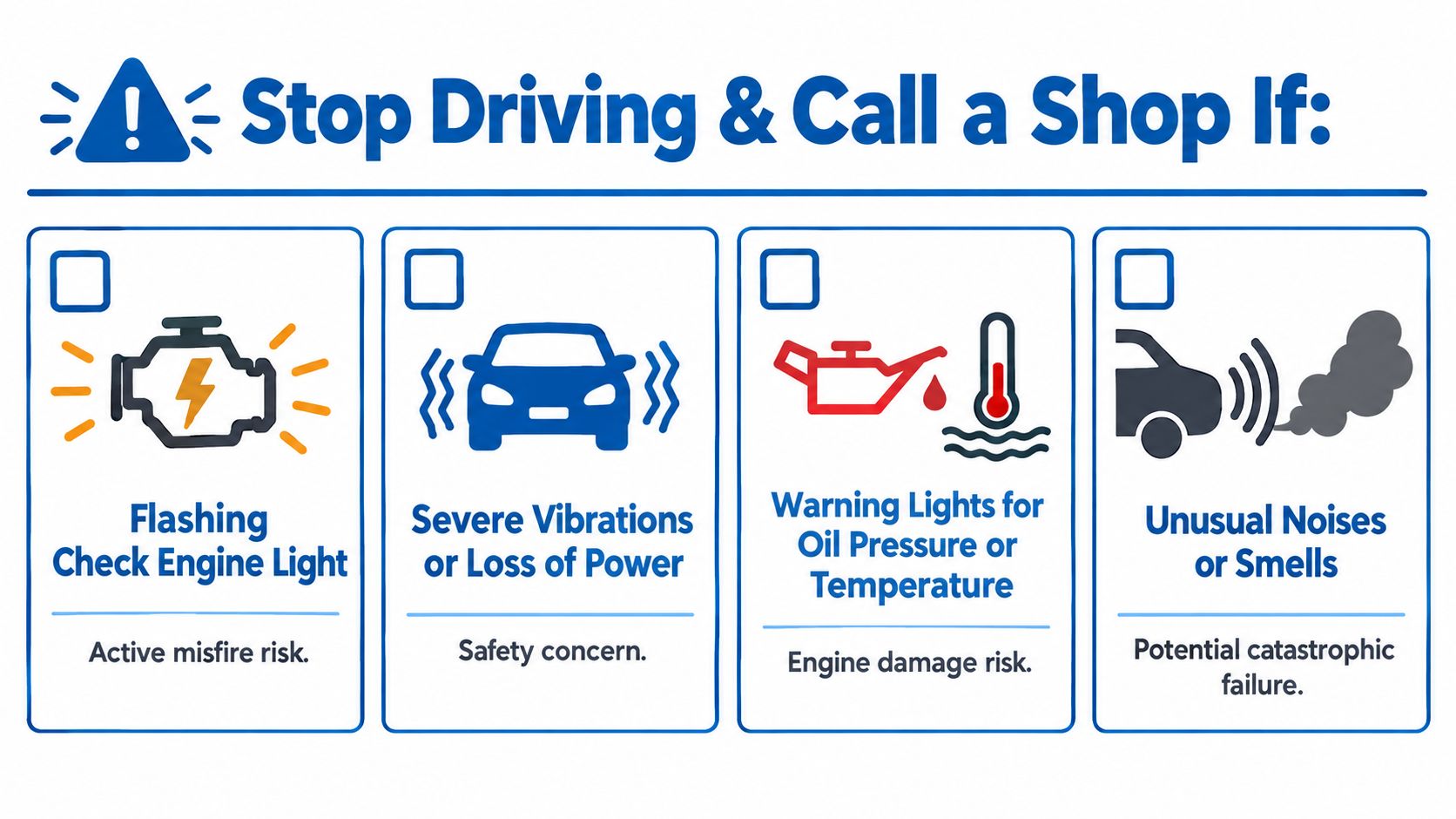
Stop driving and arrange professional help if you notice:
- A flashing check engine light: An active misfire can send unburned fuel into the exhaust and overheat or damage the catalytic converter.
- Severe vibration or power loss: If the shaking increases when you apply throttle, the car may not accelerate safely into traffic.
- High-speed shaking: Strong vibration at road speed can create a handling concern in addition to the engine fault.
- Popping from the exhaust: Loud popping can occur with an ignition or fuel problem and needs prompt inspection.
- Fuel smell: An unusual fuel odor may point to a fuel-system or combustion problem. Shut the vehicle off if the odor is strong.
- Oil-pressure or temperature warnings: These warnings can precede serious engine damage. Stop as soon as it is safe.
- Fluid under the vehicle: Oil, coolant, or fuel leaks can turn a driveable fault into a safety problem.
Pull over safely and call for a tow if the vehicle shakes violently, loses substantial power, or displays several warning lights. A flashing light deserves special caution because the misfire may continue damaging the catalytic converter while the engine runs.
What a thorough diagnostic includes
A proper inspection should include:
- A scan for stored and pending trouble codes.
- Freeze-frame and live-data review.
- A visual inspection of wiring, hoses, coils, plugs, intake parts, and fluid leaks.
- Fuel-pressure or injector testing when the symptoms point to fuel delivery.
- Compression or leak-down testing when ignition and fuel checks do not explain the misfire.
- A written estimate before repair work begins.
Use the symptom pattern to guide the visit. Note whether the shake occurs at idle, under load, after refueling, or only with a flashing light. Record the codes without clearing them, and tell the technician what changed. That information helps narrow the ignition, fuel, air, or mechanical system before parts are replaced.
Sun City and West Valley drivers can schedule an inspection before a small fault worsens on the 101 or Grand Avenue. Pete Nelson Automotive operates at 9000 N 103rd Ave and provides diagnostics for different makes and models, including classic cars and modern imports. The shop also offers routine oil changes in Sun City AZ to help maintain the engine between diagnostic visits.
Common Questions Sun City Drivers Ask
Is it safe to drive with the check engine light on when the car is shaking?
Safety depends on the warning light and how severely the vehicle runs. A steady light with a mild shake may permit a short, cautious trip to a nearby shop. A flashing light, major power loss, strong vibration, or rising temperature means stop driving and arrange a tow.
What’s the most common cause when a car vibrates at idle?
An engine misfire often causes this combination, with a spark plug, ignition coil, or fuel injector among the first suspects. Because the symptom changes with operating conditions, also consider a vacuum leak, dirty throttle body, or worn engine mount. A shake that improves as engine speed rises points the technician toward a different test path than a shake that worsens under load.
How much does it cost to fix a shaking car with the engine light on?
Repair cost depends on the confirmed fault, vehicle design, labor access, and any secondary damage. Spark plug, coil, injector, and low-compression repairs can fall into very different price ranges, so diagnosis should come before parts replacement. Ask for a written estimate after the shop identifies the failed system.
Can a shaking car and check engine light fix themselves?
The light can turn off when a fault does not repeat, but that does not confirm a repair. A loose fuel cap or temporary fuel issue may disappear, while a worn ignition component usually needs attention. Record the codes without clearing them, note whether the shake began after refueling or under load, and report those details to the technician.
Pete Nelson Automotive can scan the vehicle, review operating data, and test the ignition, fuel, air, and mechanical systems behind a shaking engine. Visit Pete Nelson Automotive or call 623-974-4723 to schedule your appointment today.
Pete Nelson Automotive
This Offer Will Expire 12-31-2026
Pete Nelson Automotive is pleased to offer you
"Get Ready for the Holidays"
A $215.00 Value for Only $159.95 (+tax)
Lube, Oil, & Filter Change, Up to 5 quarts of Engine oil
Inspect and top off all fluid levels, Includes up to 5 Quarts of 5w30 synthetic blend oil, additional charge for synthetic oil.
Travel Evaluation
Set Air Pressures and Tire Rotation if needed.
Battery, Alternator and Starter Electrical Test
Load test battery, Alternator output and Starting amps.
Full Brake Evaluation
Includes check brake system on four wheels, checking and testing brake fluid condition.
So Call 623-974-4723 today and make an appointment for this exclusive Special!
*Most Cars, Vans, Motor homes, 4×4’s, Diesels, and some foreign cars may be higher. You must bring this letter at time of service and allow 2 hours to complete.



